Over the past few days, Israel has been hit by a major wave of cyberattacks, and reports say Iranian-linked hackers are behind them. These attacks started soon after Israel launched airstrikes on Iranian military and nuclear targets on June 13. According to cybersecurity experts at Radware, the number of cyberattacks targeting Israel has jumped by over 700% since that day.

The attackers seem to be working in coordination, using different methods to try to damage Israel’s digital infrastructure. While many attacks are coming from groups believed to be backed by Iran, several hacktivist groups are also getting involved. These groups are not officially tied to the Iranian government but are acting in support of its interests.
One of the most active groups involved in this cyber operation is Handala Hack, which has claimed responsibility for several high-profile data breaches. Another group named Mr. Hamza has also been mentioned in some of the leaked data reports. These groups are mainly using platforms like Telegram to coordinate and announce their actions. In fact, many of the claims about successful breaches and stolen data have been shared on such messaging channels.
The types of attacks being carried out are quite serious. The hackers are using DDoS attacks (Distributed Denial of Service) to flood websites and servers with traffic, causing them to crash. They are also trying to gain access to sensitive systems that belong to Israeli companies, government departments, and infrastructure networks. Once they get in, they try to steal data or install malware that can be used later for more attacks.

Handala Hack has claimed that they managed to steal more than 2 terabytes of data from various Israeli companies. This includes files from energy providers, telecommunications firms, and private tech companies. Some of this stolen data has already been leaked online, raising concerns about further exposure of sensitive information.

Radware, the cybersecurity firm tracking these events, has confirmed that attacks are affecting a wide range of targets. These include banks, hospitals, communication networks, and even government websites. The goal seems to be not just to cause disruption, but also to create panic and weaken Israel’s ability to respond effectively.
One of the biggest concerns is that these attacks are not slowing down. In fact, experts warn that more cyberattacks may be on the way. As the conflict between Iran and Israel grows more intense, cyber warfare is becoming a more dangerous tool for retaliation. These attacks allow groups to cause damage from a distance without the need for direct military confrontation.
Cyber experts also say that this may just be the beginning of a much larger cyber campaign. They believe that Iran and its supporters could be preparing more sophisticated attacks aimed at taking down power grids, water supplies, or critical communication lines. This kind of cyber warfare is now seen as a key part of modern conflict between nations.
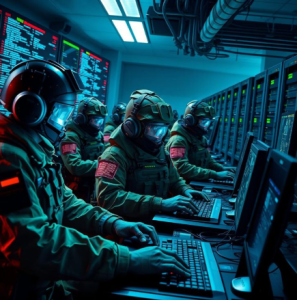
To make things worse, some reports suggest that Iran may also try to attack companies and infrastructure in the United States or Europe, especially if they are seen as supporting Israel. The U.S. has already issued warnings to its businesses and infrastructure operators to stay alert.
In summary, what we are seeing now is a sharp increase in cyberattacks on Israel by groups linked to Iran. These attacks are well-organized, aggressive, and likely to continue. With real data being leaked and systems going down, this shows how serious cyber warfare has become. It’s no longer just about hacking websites, it’s now a full-scale battle being fought online.
Stay alert, and keep your security measures updated!
Source: Follow cybersecurity88 on X and LinkedIn for the latest cybersecurity news