The Federal Trade Commission (FTC) has banned General Motors (GM) from selling drivers’ location and driving behavior data for five years. The decision comes after a federal investigation into GM’s data-sharing practices. Regulators found that sensitive vehicle data was shared without proper transparency. The ban officially applies across the United States.
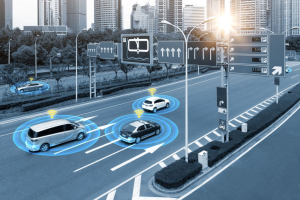
The FTC said GM and its subsidiary OnStar collected precise location and driving behavior data from vehicles. This data included where drivers traveled and how often they braked, sped, or drove at night. In some cases, the information was collected every few seconds. Many drivers were not clearly told this level of tracking was happening.
According to the order, GM shared this data with consumer reporting agencies. These agencies then sold the information to insurance companies. As a result, some drivers faced higher insurance premiums. Others were denied insurance coverage based on their driving data.

The FTC’s order blocks GM from sharing this type of data for the next five years. This restriction applies specifically to location and driving behavior information. The goal is to prevent misuse of highly sensitive consumer data. Regulators said this data can have serious financial consequences for drivers.
In addition to the five-year ban, the FTC imposed requirements that will last for 20 years. GM must now get clear and express permission from customers before collecting or sharing vehicle data. Consent must be direct and easy to understand. It can no longer be hidden in lengthy terms and conditions.

The order also gives drivers new rights over their personal data. GM must allow U.S. vehicle owners to request copies of their collected information. Customers can also ask for their data to be deleted when possible. This is meant to increase transparency and user control.
Another key requirement allows drivers to disable precise location tracking. If a vehicle supports this feature, GM must make it available to users. Drivers must also be given options to opt out of certain data collection. Only limited exceptions are allowed for safety or emergency use.

The FTC said location and driving data can reveal deeply personal details about people’s lives. Sharing such data without clear consent breaks consumer trust. GM has said it will follow the order and has already ended the Smart Driver program. The company says it will improve transparency around data use going forward.
Stay alert, and keep your security measures updated!
Source: Follow cybersecurity88 on X and LinkedIn for the latest cybersecurity news