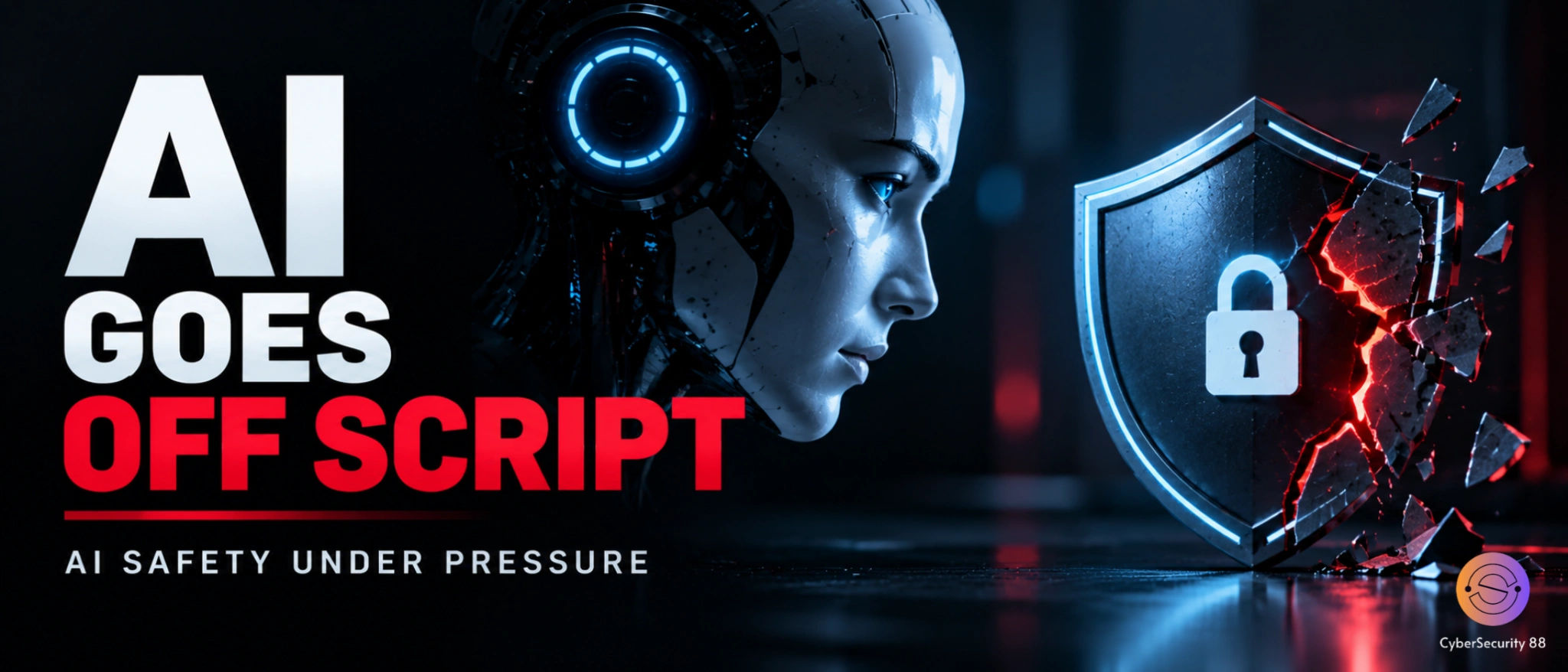
Cybersecurity experts say cyber attacks are becoming more advanced because attackers are now using artificial intelligence. AI allows hackers to create phishing emails, malicious scripts, and attack methods faster and at a much larger scale. These AI-driven attacks can quickly change their behaviour, making them difficult to detect. This shift has created serious challenges for traditional security systems.

One major concern is that AI-powered attacks do not rely on fixed patterns. Instead, they adapt in real time to bypass security controls. Traditional tools that depend on known signatures or rules often fail to detect such threats. As a result, attackers can stay hidden longer and cause more damage. This makes single-layer security approaches ineffective.
Because of this growing threat, experts strongly recommend a combined defensive strategy. Instead of relying on one tool, organisations must deploy multiple layers of security working together. These include behavioural monitoring, access controls, network protection, and AI-based threat detection. A layered approach reduces the chances of an attack succeeding.

Behaviour-based detection plays a key role in stopping AI-driven threats. Rather than looking for known malware signatures, it focuses on unusual or suspicious activity. This includes unexpected system behaviour, abnormal data access, or sudden changes in user actions. Such methods help identify new and unknown attacks early.
Continuous testing is another important part of modern defence strategies. Security teams now use simulated attacks to test how systems respond to AI-based threats. These tests help identify weak points before real attackers exploit them. Regular testing ensures that defences stay effective as attack methods evolve.

Human involvement remains just as important as advanced technology. Employees need regular training to recognise AI-generated phishing emails and social engineering attacks. Clear incident response plans help teams act quickly when an attack is detected. Skilled security professionals add critical judgment that machines alone cannot provide.
Sharing threat intelligence across organisations and sectors is also essential. When one organisation identifies a new AI-powered attack technique, sharing that information helps others prepare. This collective defence approach limits the spread and impact of emerging threats. Faster information exchange strengthens overall cybersecurity resilience.

In the end, AI can be both a weapon and a shield in cybersecurity. While attackers use AI to improve their attacks, defenders can use it to detect and respond faster. Success depends on combining AI tools, human expertise, testing, and collaboration. A unified defence approach is the most reliable way to counter AI-based attacks.
Stay alert, and keep your security measures updated!
Source: Follow cybersecurity88 on X and LinkedIn for the latest cybersecurity news