Many organizations today rely on automated penetration-testing tools to evaluate their cybersecurity defenses. These tools can quickly scan systems, identify known vulnerabilities, and generate reports that appear reassuring. However, security experts behind a recent webinar warn that a clean automated pentest report does not always mean an organization is truly secure. Automated tools can only detect issues they are designed to find, leaving some critical weaknesses unnoticed.
According to the experts, attackers do not limit themselves to automated techniques when targeting organizations. Real-world threat actors continuously search for overlooked assets, misconfigurations, and hidden attack paths that automated scanners may not detect. The webinar explains that while automation plays an important role in modern security programs, it should not be viewed as a complete replacement for human expertise and manual testing.
One of the key points highlighted during the session is that important findings often emerge between scheduled penetration tests. Organizations commonly conduct security assessments once or twice a year for compliance purposes, but threats continue to evolve every day. As a result, vulnerabilities can appear and remain exposed long before the next scheduled assessment takes place.

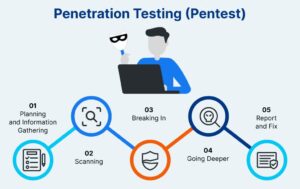
The speakers also discussed the difference between automated vulnerability scanning and comprehensive penetration testing. Vulnerability scanners are effective at identifying known issues and common weaknesses, but experienced security professionals can investigate systems in greater depth. Human testers are able to think creatively, combine multiple weaknesses, and simulate attacker behavior in ways that automated tools cannot easily replicate.
A live attack demonstration featured in the webinar showed how attackers can move through a network after gaining initial access. The experts explained that a seemingly minor weakness can sometimes lead to much larger compromises if it is combined with other vulnerabilities. This type of attack chain is often difficult for automated tools to recognize because it requires contextual understanding and human judgment.

The webinar also emphasized the importance of understanding an organization’s entire attack surface. Security teams frequently discover forgotten systems, exposed services, or poorly documented assets during manual assessments. These overlooked resources can become attractive targets for attackers and may not always be detected during routine automated scans.
Another major topic was continuous penetration testing and ongoing security validation. The presenters explained that cybercriminals constantly perform reconnaissance and search for opportunities to exploit weaknesses. To keep pace with this activity, organizations should adopt a more proactive approach that includes regular testing, continuous monitoring, and faster remediation of discovered issues.

The overall message from the webinar is clear: automation remains a valuable part of cybersecurity, but it should complement rather than replace human-led testing. Organizations that combine automated tools with expert security assessments gain a more complete view of their risks and are better prepared to identify vulnerabilities before attackers can take advantage of them.
Stay alert, and keep your security measures updated!
Source: Follow cybersecurity88 on X and LinkedIn for the latest cybersecurity news