Cybercrime is growing rapidly across Asia-Pacific, and INTERPOL has warned that phishing attacks, ransomware campaigns, and AI-powered scams are becoming major threats across the region. According to its latest cyberthreat assessment, criminal groups are taking advantage of expanding digital services, new technologies, and increasing internet usage to target both organizations and individuals.
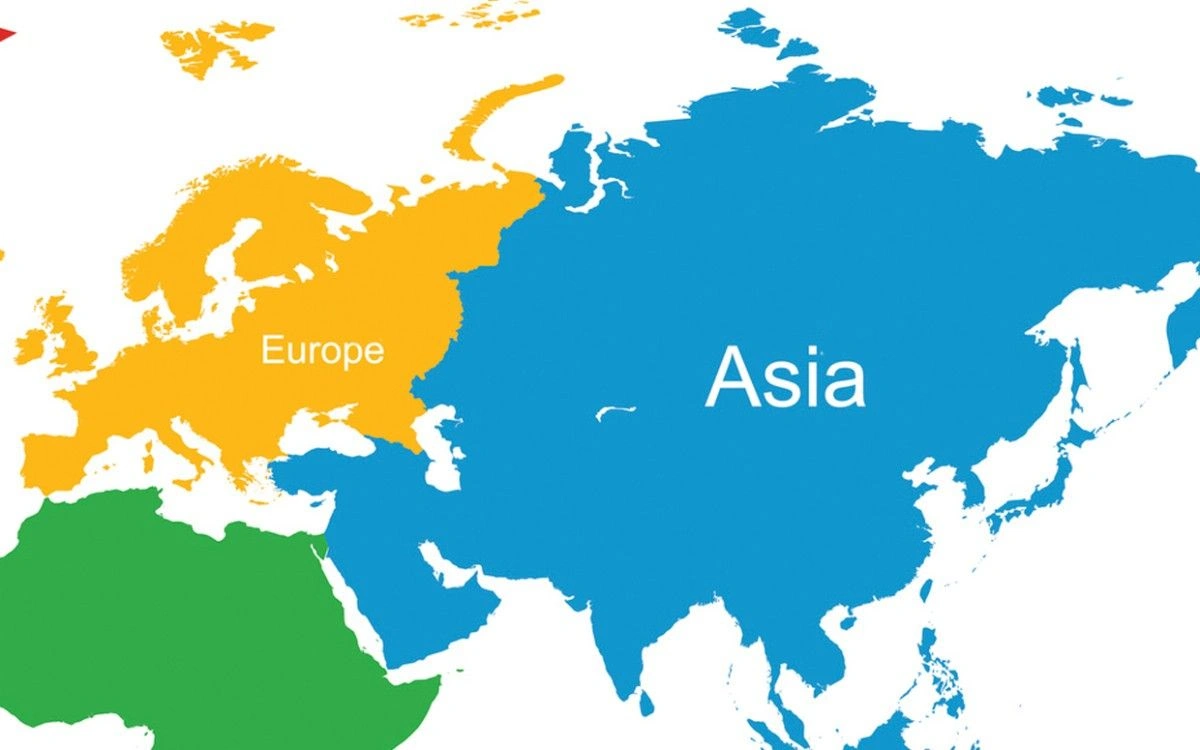
The report found that cybercrime has become so widespread that more than half of the surveyed countries said it now accounts for around 30 percent of all crimes recorded nationally. This shows how online crimes are no longer isolated incidents but have become a significant challenge for governments, businesses, and law enforcement agencies across the region.
Phishing remains one of the most common and financially damaging cyber threats. Many countries reported thousands of online scam cases, with attackers frequently targeting cloud-based applications and online accounts. Criminals continue to use deceptive emails, fake websites, and social engineering tactics to trick victims into revealing sensitive information.

Ransomware attacks have also increased sharply throughout the Asia and South Pacific region. INTERPOL reported that more than 135,000 ransomware-related attacks were recorded during 2024. Industries such as manufacturing, real estate, and financial services were among the most affected sectors, highlighting the growing impact of these attacks on critical business operations.
A major concern highlighted in the report is the increasing use of artificial intelligence by cybercriminals. AI tools are helping attackers create more convincing scams, automate fraudulent activities, and generate realistic fake content. Deepfake technology is also being used to impersonate executives and trusted individuals to authorize fraudulent transactions.

INTERPOL noted that many cybercriminal groups are now operating with highly organized business-like structures. Ransomware-as-a-Service models allow criminals to rent attack tools and infrastructure, making sophisticated cyberattacks easier to launch. This approach has significantly lowered the barrier for criminals seeking to carry out large-scale operations.
The report also revealed that law enforcement agencies continue to face challenges in fighting cybercrime. Several countries reported shortages of specialized cyber forensic tools, technical expertise, and advanced training. Smaller and developing nations often face additional resource limitations that make cybercrime investigations more difficult.

INTERPOL believes stronger international cooperation will be essential to combat these evolving threats. The organization has urged governments, businesses, and cybersecurity professionals to work together to improve cyber resilience, share threat intelligence, and strengthen defenses against phishing, ransomware, AI-driven fraud, and other emerging cyber risks across the Asia-Pacific region.
Stay alert, and keep your security measures updated!
Source: Follow cybersecurity88 on X and LinkedIn for the latest cybersecurity news