As the 2026 FIFA World Cup captures global attention, cybersecurity experts are warning that major sporting events can create unexpected security risks inside organizations. Researchers analyzing billions of compromised passwords found that many users choose passwords based on favorite football players, teams, tournaments, and trending sports topics. While these passwords may appear unique, they often become predictable targets for attackers.

Security researchers found that football-related terms regularly appear in breached password databases. Employees often create passwords using player names, club names, famous matches, or tournament references because they are easy to remember. During high-profile events like the World Cup, these trends become even more common, increasing the chances that cybercriminals can successfully guess user credentials.
The problem is not limited to football fans. People naturally create passwords based on topics that are important to them, including entertainment, movies, celebrities, and current events. The World Cup simply provides a highly visible example of how public trends influence password choices. Attackers understand these habits and actively use them to improve the success rate of password-based attacks.

Cybercriminals frequently rely on techniques such as password spraying and credential stuffing. In password spraying attacks, attackers test commonly used passwords across many accounts. In credential stuffing attacks, previously stolen usernames and passwords are reused against corporate systems. If an employee uses a football-themed password that has already appeared in a breach, the organization may face a much higher risk of compromise.
For organizations that depend on Active Directory, weak or predictable passwords can create serious security challenges. Active Directory remains a primary target for attackers because it controls user identities and access across enterprise environments. Once attackers gain access to a single account, they may attempt to move through the network, escalate privileges, and access sensitive resources.
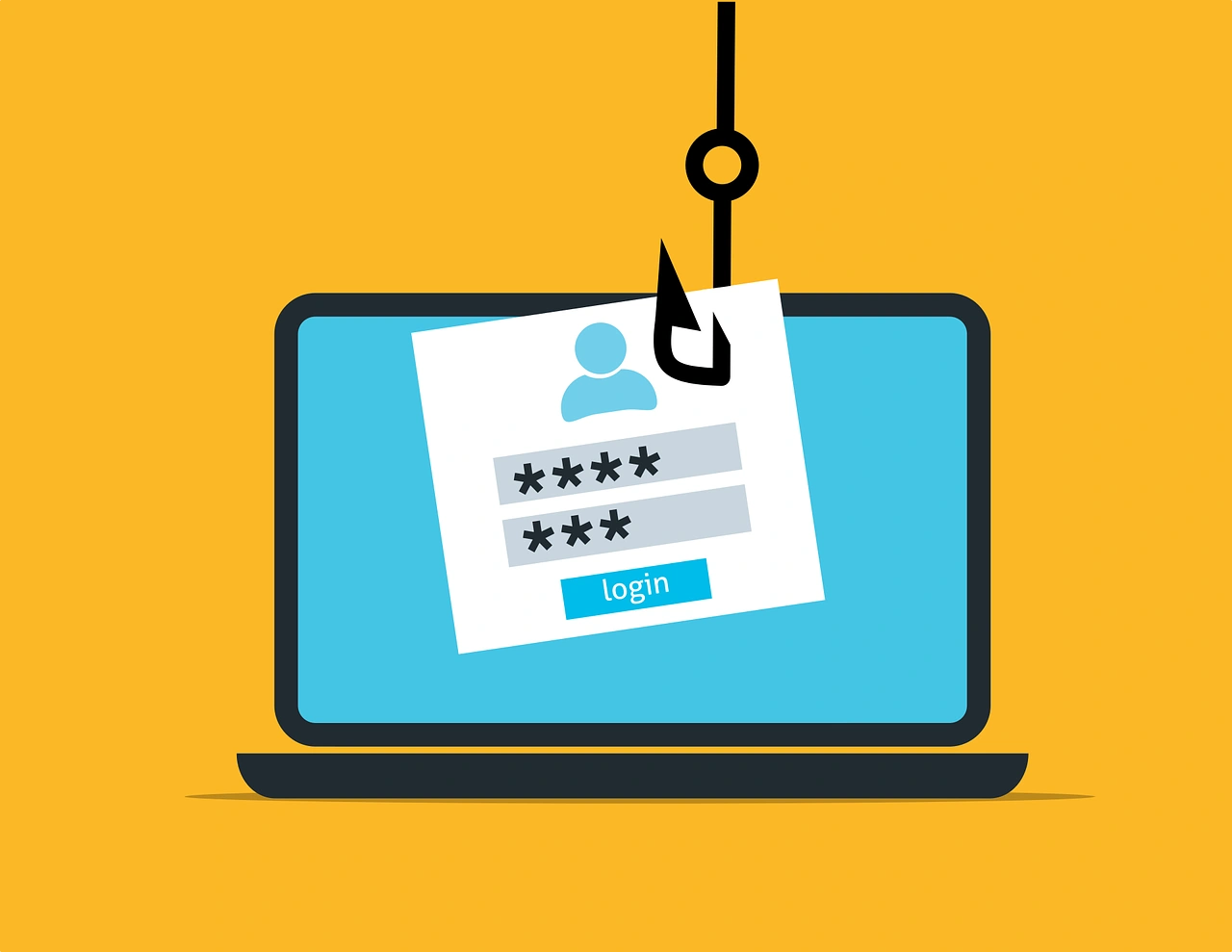
Experts note that traditional password policies often focus on complexity requirements such as numbers, symbols, and uppercase letters. However, a password can meet all complexity rules while still being predictable. For example, adding numbers or special characters to a player’s name may satisfy policy requirements but does little to stop attackers who already understand common user behavior.
Security professionals recommend blocking weak, predictable, and previously compromised passwords directly within Active Directory. Modern password protection solutions can compare new passwords against databases containing billions of breached credentials and prevent users from selecting risky options. Organizations can also block specific terms related to major events, sports teams, and popular players when necessary.

The key lesson from this research is that password security is influenced by human behavior as much as technology. During major global events like the World Cup, employees may unknowingly choose passwords that reflect their interests rather than security best practices. Organizations should encourage longer passphrases, strengthen password controls, and monitor identity security closely to reduce the risk of attacks targeting Active Directory environments.
Stay alert, and keep your security measures updated!
Source: Follow cybersecurity88 on X and LinkedIn for the latest cybersecurity news