WhatsApp has started testing a new security feature called Scam Alert, which is designed to warn users when a message may be part of a scam. The feature uses an on-device machine learning model to identify possible scam patterns in messages received from people who are not saved as contacts. WhatsApp is currently introducing the feature through a limited beta rollout while it is being tested with security researchers and members of its Bug Bounty community. The company says the main goal is to help users recognize suspicious conversations before they become victims of fraud.

Scam Alert has been designed to work without sending the contents of users’ messages to WhatsApp or Meta for analysis. Instead, the machine learning model runs directly on the user’s device and checks incoming messages for patterns that could indicate a scam. The model has been trained using scam conversations reported by users and looks at language patterns and conversation structures to identify suspicious behavior. WhatsApp says this approach is intended to provide another layer of protection while keeping its end-to-end encryption in place.
When the system identifies a conversation that could involve a scam, WhatsApp can display a warning to the recipient inside the chat. The warning gives users several choices, including blocking or reporting the sender, continuing the conversation, or indicating that the message was incorrectly identified as suspicious. The system does not automatically block the conversation, allowing users to decide what action they want to take. If a user marks a conversation as trusted, Scam Alert removes the warning and will not flag that particular conversation again.

WhatsApp is also giving users some control over information that may be shared when they believe a warning is incorrect. When a person marks a chat as trusted, they can voluntarily choose to share the last five messages they received with WhatsApp to help improve the accuracy of the feature. This sharing does not happen automatically, and WhatsApp says the message content used for classification remains on the device. Users will also be able to disable Scam Alert if they do not want to use the feature.
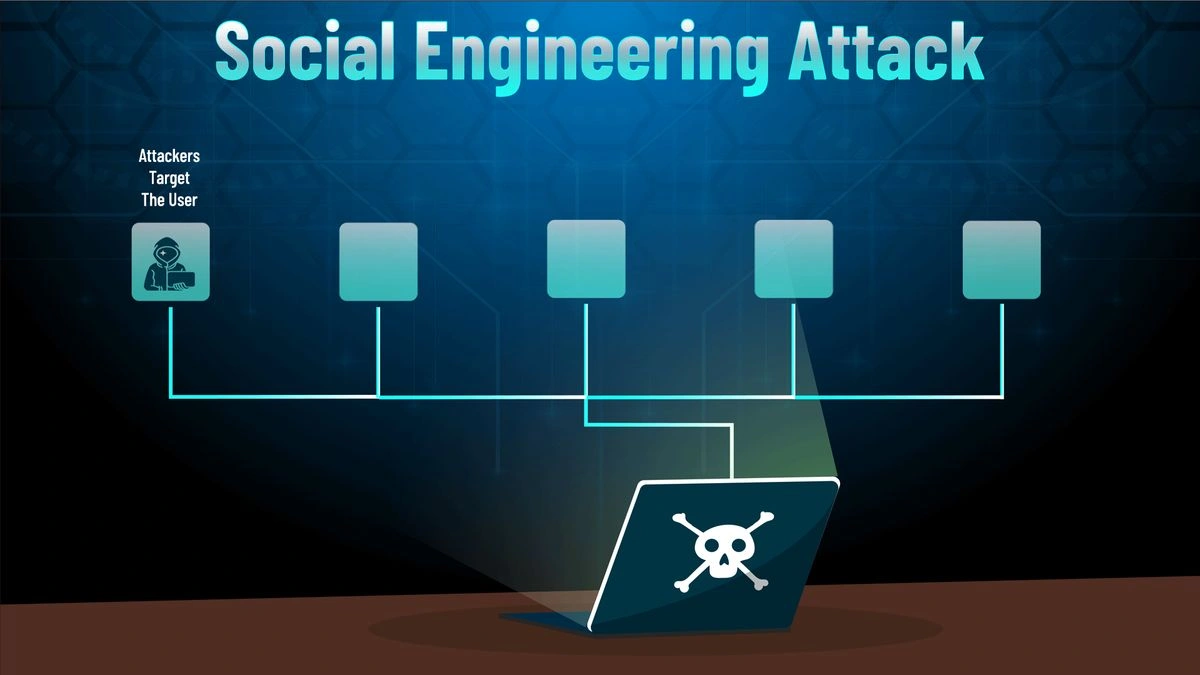
The new feature comes as scammers continue to use social engineering and impersonation techniques to contact people through messaging platforms. Fraudsters can attempt to build trust with victims before asking for money, sensitive information, account access or other actions that could result in financial or personal losses. WhatsApp says scam methods are continuing to evolve, including the use of increasingly convincing messages and AI-generated lures. The company is therefore developing security protections that can identify suspicious behavior while keeping private conversations protected.
Scam Alert is part of a wider set of security measures introduced by WhatsApp and Meta to combat scams and account takeovers. Earlier in 2026, WhatsApp introduced warnings for suspicious device-linking requests, which can be used by scammers to trick people into connecting an attacker-controlled device to their account. These warnings can appear when behavioral signals suggest that a device-linking request could be fraudulent. The measures are designed to give users an opportunity to stop and reconsider before completing a potentially dangerous action.
Privacy is a major part of how WhatsApp says the new Scam Alert system has been developed. According to the company, the message data used by the local model and the model itself do not leave the device for classification. WhatsApp is also working on ways to allow the system to be independently evaluated, including transparency measures related to the machine learning models used for detecting scams. The company says these protections are intended to make scam detection useful without requiring WhatsApp to read users’ private messages.

For now, Scam Alert is not available as a full feature to every WhatsApp user because the company is still testing the system through a limited beta rollout. WhatsApp plans to continue evaluating the technology with researchers and members of its Bug Bounty community before deciding how widely it should be released. The company has not announced a confirmed date for a wider rollout, meaning availability may remain limited while testing continues. If introduced more broadly, the feature could give WhatsApp users another layer of protection against scams while maintaining the privacy protections that remain central to the platform.
Stay alert, and keep your security measures updated!
Source: Follow cybersecurity88 on X and LinkedIn for the latest cybersecurity news