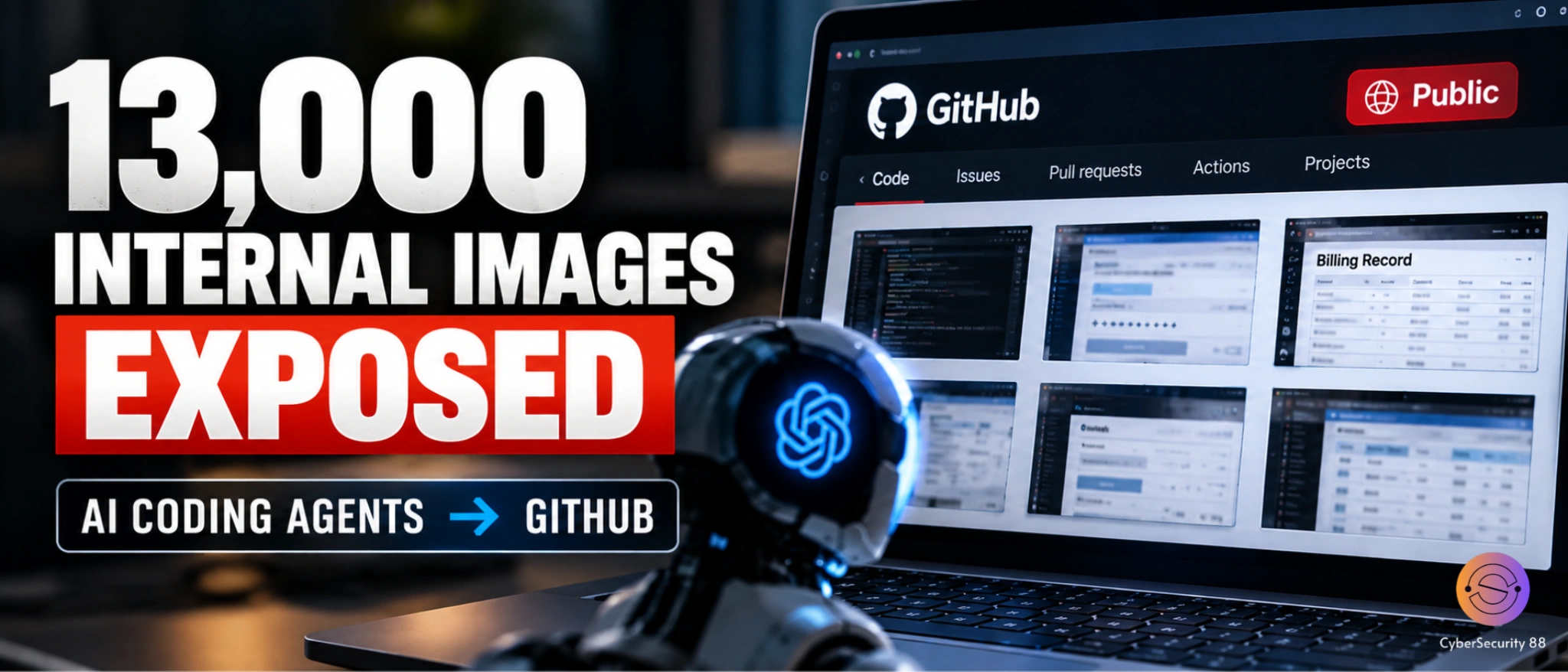
Anthropic has introduced a powerful AI system that is changing the way software security works. The company says its new AI can identify critical software vulnerabilities much faster than traditional testing methods. Instead of releasing the model publicly, Anthropic is working with leading technology companies and government partners to responsibly fix the flaws before they can be abused. This effort is part of a security initiative called Project Glasswing.

The AI has reportedly discovered thousands of high-severity vulnerabilities across major operating systems, web browsers, and widely used software. Some of these security flaws had remained hidden for decades despite years of testing by experienced researchers. Anthropic also demonstrated that the AI could combine multiple weaknesses into a working exploit, showing just how advanced AI-powered security research has become. Because of these capabilities, the company believes strict safeguards are necessary before such technology becomes widely available.
One of the biggest concerns is that AI is now finding security bugs much faster than organizations can repair them. Experts say the traditional “patch window,” the time between discovering a vulnerability and fixing it, is becoming much shorter. While AI can dramatically speed up vulnerability discovery, software developers still need time to verify, test, and safely release updates. This growing gap is creating new challenges for the cybersecurity industry.
To address this problem, IBM has announced a major investment of about $5 billion in a new enterprise focused on AI-powered security solutions. The company believes the next stage of cybersecurity is not only about finding vulnerabilities but also about helping organizations fix them quickly and efficiently. IBM plans to use artificial intelligence to automate security workflows, reduce remediation time, and improve the protection of enterprise software against increasingly complex cyber threats.
IBM’s strategy reflects a major shift in the cybersecurity landscape. As AI tools become better at identifying weaknesses, organizations need equally advanced systems to prioritize, validate, and repair those flaws before attackers can exploit them. Security teams are already dealing with large numbers of vulnerability reports, and AI is expected to increase that workload even further. Faster remediation is now becoming just as important as faster detection.

Anthropic’s Project Glasswing includes collaboration with many leading technology companies and organizations responsible for critical software infrastructure. The initiative allows trusted partners to receive vulnerability information so they can develop security updates before details become public. Anthropic has also been working with the U.S. government to study the broader cybersecurity and national security impact of AI systems capable of discovering advanced software vulnerabilities.
Security experts believe this marks the beginning of a new era where AI will play an important role on both sides of cybersecurity. The same technology that helps defenders discover hidden vulnerabilities could also be used by attackers if similar capabilities become widely available. This makes responsible disclosure, close industry cooperation, and faster patch development more important than ever before. Companies are now preparing for a future where AI significantly changes the speed of cyber defense and cyber attacks.

The latest developments show that cybersecurity is moving beyond simply detecting software bugs. Anthropic is focusing on finding critical vulnerabilities before criminals do, while IBM is investing billions to help organizations repair those weaknesses at scale. Together, these efforts highlight a growing industry focus on combining advanced AI with responsible security practices. As AI capabilities continue to improve, the balance between discovering vulnerabilities and fixing them quickly will become one of the biggest challenges facing the global technology industry.
Stay alert, and keep your security measures updated!
Source: Follow cybersecurity88 on X and LinkedIn for the latest cybersecurity news