The Australian government has started a fresh review of Chinese-made electric buses after overseas reports raised cybersecurity concerns. The issue came into focus after European transport authorities warned that some electric buses could potentially be controlled or shut down remotely. These findings have pushed Australian officials to re-examine similar buses used locally. Authorities say the review is precautionary and focused on safety.
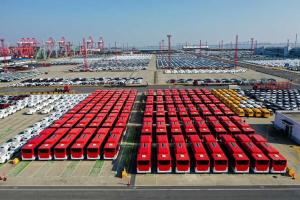
The buses under review are manufactured by Yutong, a major Chinese electric vehicle maker. These buses are already operating in Australia, including in Canberra’s public transport system. The ACT government introduced them as part of its plan to cut emissions and modernise transport. Since they are widely used by commuters, officials are treating the issue seriously.
Concerns first surfaced in Europe after transport agencies tested similar buses and found remote access features. These systems are usually meant for diagnostics and maintenance, but experts said they could be misused if not properly secured. Investigations in countries like Norway, Denmark, and the UK brought global attention to the issue. No real-world shutdowns have been reported so far.
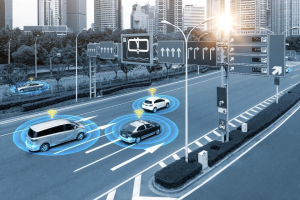
Following these reports, Transport Canberra confirmed it would conduct another security check. Officials said the buses were previously reviewed and found safe, but the latest international findings made a second review necessary. The process will involve cybersecurity specialists and technical teams. Authorities stressed that public safety is the top priority.
The local distributor of the buses in Australia stated that the models used here differ from those tested overseas. According to them, Australian buses do not receive live software updates from outside the country. Any updates are handled locally during servicing. This difference, they say, reduces the risk highlighted in Europe.

The manufacturer has also responded to the concerns. Yutong said its buses meet all local regulations and safety standards wherever they operate. The company added that connectivity features can be disabled without affecting vehicle operation. It also said data security and customer privacy are taken seriously.
Cybersecurity experts say the issue is not limited to one country or company. Many modern vehicles, including electric buses from different manufacturers, rely on connected systems. If these systems are poorly protected, they could become targets. Experts say this is a broader challenge linked to smart and connected transport.

At present, there is no evidence of any actual threat to passengers in Australia. The buses remain in service while the review continues. Authorities have said they will act only if real risks are identified. Until then, the focus remains on careful assessment and transparency.
Stay alert, and keep your security measures updated!
Source: Follow cybersecurity88 on X and LinkedIn for the latest cybersecurity news