Cybersecurity researchers have uncovered a new malware campaign in which attackers uploaded malicious npm packages disguised as legitimate PostCSS-related development tools. PostCSS is widely used by web developers for processing CSS, making it a trusted part of many software projects. By pretending to be useful development packages, the attackers attempted to trick developers into installing malware directly into their systems. The campaign highlights how software supply chain attacks continue to target developers through trusted platforms.
According to researchers, the malicious packages were designed to look like normal PostCSS utilities and plugins. However, hidden inside these packages was code that executed automatically when the package was installed. Instead of providing the promised functionality, the packages downloaded and launched additional malicious components on infected machines. This allowed the attackers to abuse the trust developers place in open-source repositories and commonly used tools.
The primary payload delivered by the campaign was a Windows Remote Access Trojan, commonly known as a RAT. Once installed, a RAT can provide attackers with remote control over a compromised system. This type of malware can be used to execute commands, collect information, download additional malware, and maintain long-term access to the victim’s device. Such access can create serious security risks for both individual developers and organizations.
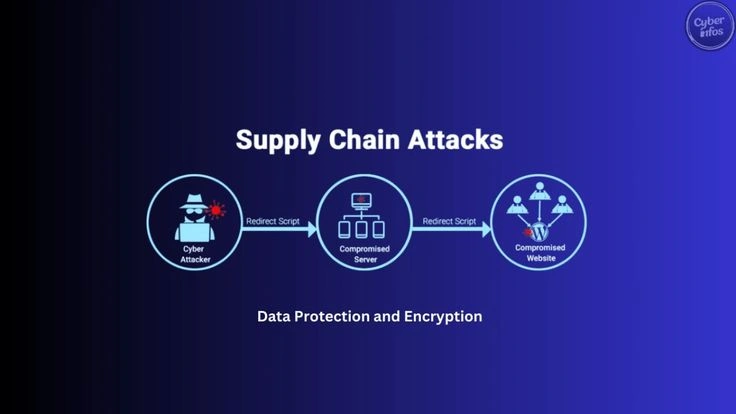
Researchers found that the malware used techniques commonly seen in modern supply chain attacks. The malicious code was hidden within packages that appeared legitimate, making detection difficult during routine development work. Since developers often install numerous dependencies from npm repositories, attackers rely on the assumption that users may not closely inspect every package before installation. This makes software ecosystems an attractive target for threat actors.
After execution, the malware attempted to establish communication with attacker-controlled infrastructure. This communication enables the RAT to receive commands and send information back to its operators. By maintaining a connection to command-and-control servers, attackers can manage infected systems remotely and potentially expand their access within a victim’s environment. Similar techniques have been observed in several recent npm-based malware campaigns.
Security experts warn that developers are increasingly becoming targets of cybercriminals because their systems often contain valuable credentials, source code, and access tokens. If an attacker gains access to a developer workstation, the compromise can spread further into software projects, cloud environments, and corporate infrastructure. This makes developer-focused malware campaigns particularly dangerous compared to traditional consumer-targeted threats.
The incident is another reminder that open-source package repositories remain a major attack surface for supply chain threats. Threat actors continue to publish malicious packages, compromise legitimate accounts, and disguise malware as useful tools. Recent attacks across the npm ecosystem have shown how quickly malicious packages can spread and impact thousands of users before they are detected and removed.

To reduce the risk of compromise, security researchers recommend carefully reviewing dependencies before installation, monitoring package behavior, and using security scanning tools capable of detecting suspicious activity. Developers should also keep software inventories updated and investigate unfamiliar packages before integrating them into projects. As supply chain attacks become more sophisticated, stronger dependency management practices are becoming essential for protecting development environments and organizational systems.
Stay alert, and keep your security measures updated!
Source: Follow cybersecurity88 on X and LinkedIn for the latest cybersecurity news