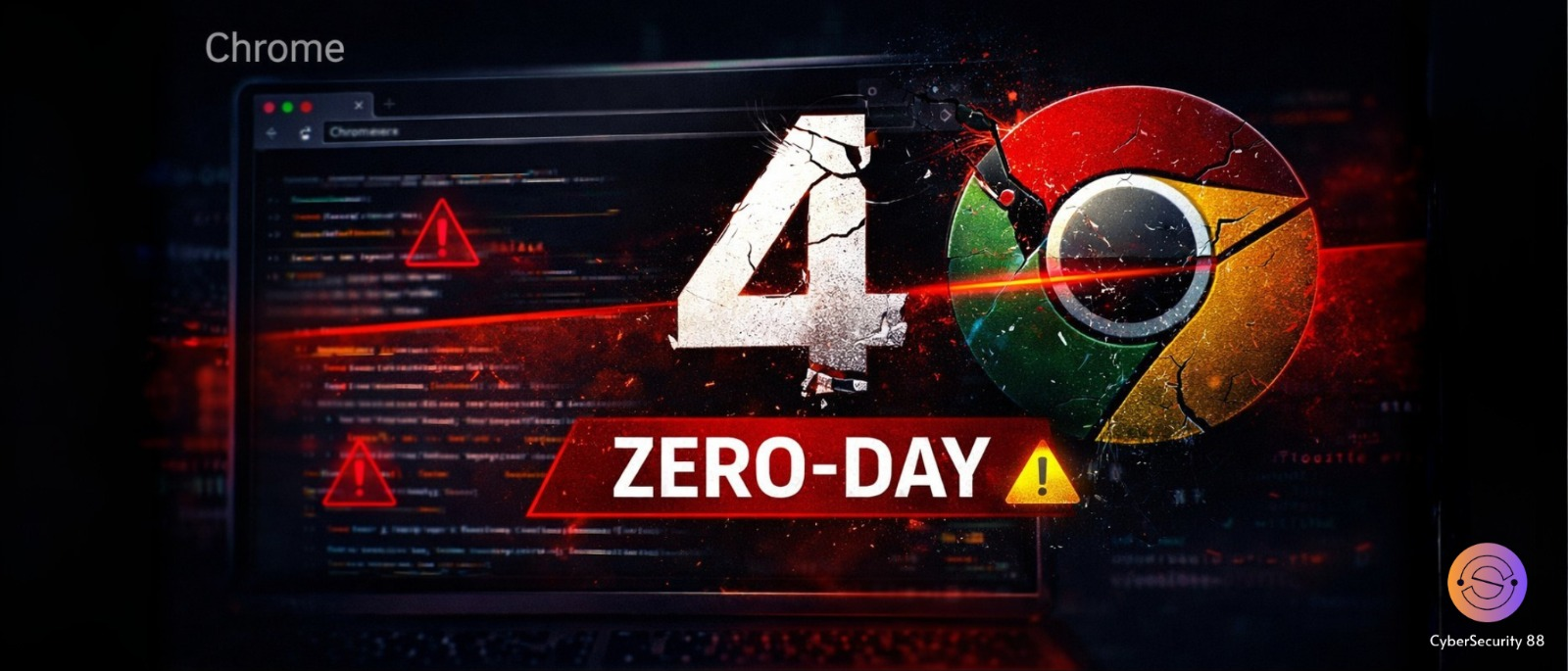
In a major cybersecurity update, Google has fixed multiple zero-day vulnerabilities in its Chrome browser that were actively used in real-world attacks. These updates are part of urgent patches released during 2026. The company confirmed that attackers were already exploiting these flaws before fixes were available. This makes them highly critical zero-day vulnerabilities.
The latest update addressed two high-severity vulnerabilities identified as CVE-2026-3909 and CVE-2026-3910. These issues were found in key components like the Skia graphics system and the V8 JavaScript engine. Both flaws could allow attackers to execute malicious code through specially crafted web pages. In simple terms, just visiting a harmful site could trigger an attack.
This update continues a pattern seen earlier in 2026. In February, Google had already fixed another zero-day vulnerability known as CVE-2026-2441. That issue was related to memory handling in Chrome’s CSS component. It could allow attackers to run unauthorized code within the browser environment. This shows how frequently such critical bugs are being discovered.

With these fixes, the number of actively exploited Chrome zero-day vulnerabilities patched by Google in 2026 has reached at least four. This highlights a growing trend of attacks targeting web browsers. Since Chrome is widely used across the world, it becomes a major target. Attackers often use such vulnerabilities to gain initial access.
Google has not shared full technical details of these flaws. This is done to prevent other attackers from misusing the information before users update their browsers. It is a common security practice followed by major tech companies. At the same time, users are strongly advised to install updates immediately. Delaying updates can increase risk.

These vulnerabilities mainly affect how Chrome processes web content and runs scripts. If exploited, they can allow attackers to crash the browser or execute harmful code. In more serious cases, attackers may steal sensitive data or compromise systems. Security experts warn that such flaws are often used in targeted attacks.
Another important point is that these issues also affect other Chromium-based browsers. This includes Microsoft Edge, Brave, and Opera, which use the same core engine. Users of these browsers are also at risk if updates are not installed. Keeping all browsers updated is one of the simplest safety steps.

In conclusion, Google’s latest patches highlight the importance of browser security today. Multiple zero-day vulnerabilities in a short time show how active cyber threats have become. While Google has fixed these issues quickly, users must also stay alert. Regular updates remain the best defense against such attacks.
Stay alert, and keep your security measures updated!
Source: Follow cybersecurity88 on X and LinkedIn for the latest cybersecurity news