Chinese video surveillance company Hikvision is fighting back after being ordered by the Canadian government to shut down its operations in the country. On June 27, 2025, Canada’s Industry Minister François-Philippe Champagne officially issued the shutdown order, giving Hikvision 120 days to leave the country. This means the company must completely wind down its business in Canada by the end of October 2025.
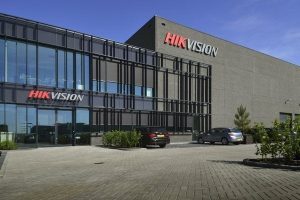
The Canadian government said the ban is based on national security concerns. It also includes a full restriction on the use and purchase of Hikvision’s surveillance equipment by all federal agencies. However, the government has not shared any detailed evidence about how the company’s technology poses a threat. This lack of clarity has raised questions among many observers, including those in the tech and legal communities.
In response, Hikvision has launched a legal challenge. The company has filed a judicial review application in court, hoping to reverse the government’s decision. Along with that, Hikvision is also asking for a temporary stay order. This would allow it to continue operating in Canada until the court makes a final decision about whether the shutdown should go forward.
As of now, the court has allowed Hikvision to keep running its business while the legal process is ongoing. This means the company’s operations in Canada are continuing under a temporary agreement. The outcome will now depend on the court’s ruling in the weeks or months ahead. If the court sides with the government, Hikvision will have to leave Canada permanently.
Hikvision has strongly opposed the ban and said it is unfair. The company believes the decision is based on speculation and not on any real facts or findings. It also said the move could negatively impact many Canadian customers who use their equipment for security purposes. Hikvision insists it has followed Canadian laws and should be allowed to continue operating.
This is not the first time Hikvision has faced restrictions in foreign countries. In recent years, several countries including the United States, the United Kingdom, Australia, and members of the European Union have imposed bans or limitations on the company. These actions have been linked to concerns about the company’s alleged ties to the Chinese government and its role in human rights violations.
In the United States, for example, authorities have accused Hikvision of helping to conduct surveillance on the Uyghur Muslim population in China’s Xinjiang region. Hikvision has denied these allegations and claims it does not control how its equipment is used once it is sold. Still, the international pressure on the company has continued to grow.
The Chinese government has also responded strongly to the Canadian ban. Officials in Beijing have criticized the move, calling it discriminatory and politically motivated. They have urged Canada to reverse the decision and warned that such actions could damage the business relationship between the two countries.

The next step will be the Canadian court’s decision on whether the ban will be enforced or delayed. Until then, Hikvision Canada will be allowed to continue its work. The legal battle is being closely watched as it may set a precedent for how other tech companies are treated in similar national security cases.
This situation highlights the increasing global concern over who supplies surveillance technology and how it may be used. For now, all eyes are on the Canadian court system as it prepares to rule on whether one of the world’s largest surveillance companies can stay or must go.