Mozilla has recently issued a warning to Firefox add-on developers about a phishing campaign that is actively targeting their accounts. This campaign is specifically aimed at developers who use the addons.mozilla.org (AMO) platform to upload and manage their extensions. The attackers are trying to trick developers into handing over their login credentials by sending them fake emails that appear to come from Mozilla.
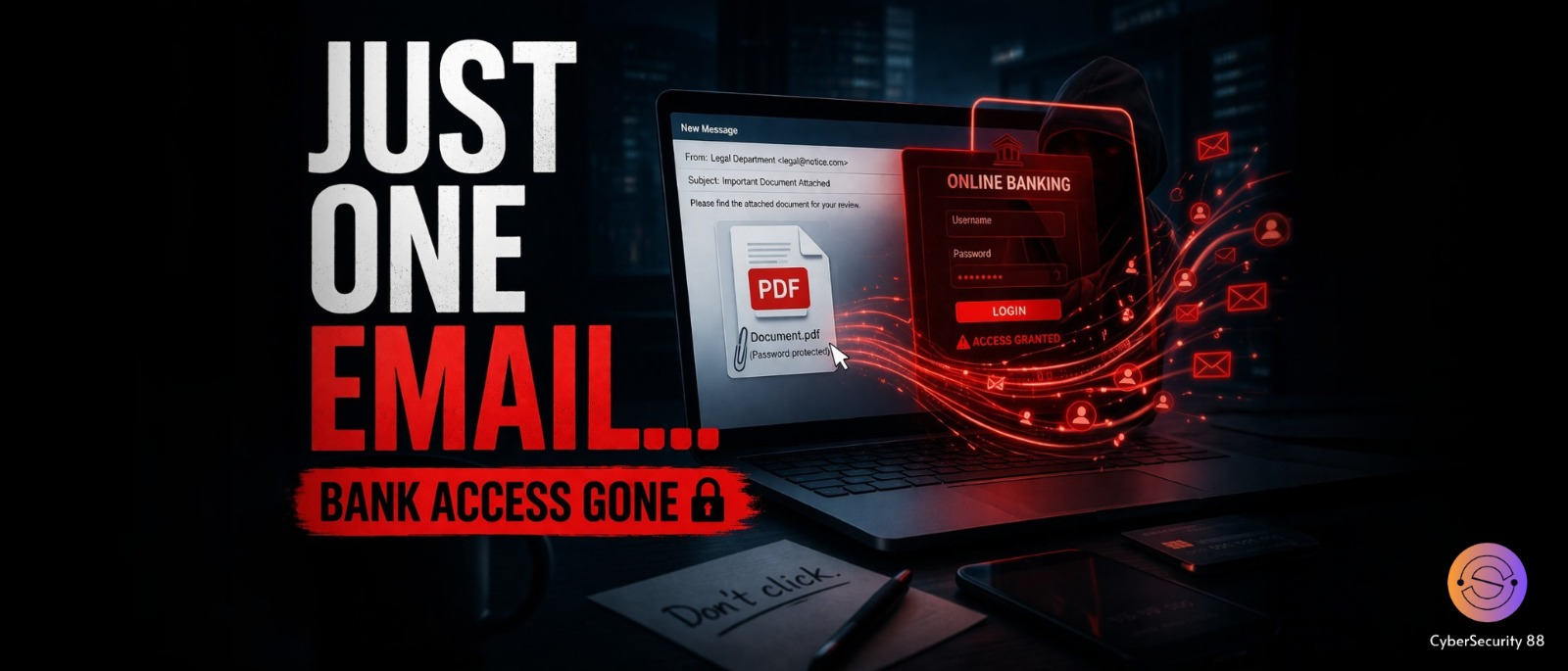
These phishing emails look very convincing. They are designed to imitate Mozilla’s official communication style and branding. In the emails, attackers claim that developers need to “update” or “verify” their accounts in order to keep their access to certain developer tools. In reality, Mozilla has confirmed that these messages are completely fake and that they have not sent out any such requests.
What makes this phishing campaign dangerous is that it targets trusted extension developers. If a developer falls for the scam and enters their credentials on a fake website, the attackers could take over their AMO account. Once inside, they might be able to upload harmful updates or completely hijack popular extensions, putting thousands of Firefox users at risk.

Mozilla revealed that at least one developer may have already been tricked by this phishing attempt. Although no detailed numbers have been released, the warning has been issued to the entire developer community to prevent more accounts from being compromised. Mozilla is currently investigating the situation and has promised to provide further updates if more information becomes available.
These kinds of phishing campaigns are not new, but they are becoming more sophisticated. The attackers often register domains that look very similar to official ones and design fake login pages that are nearly identical to the real AMO sign-in portal. This makes it very easy for even experienced developers to fall for the scam if they are not careful.

To help developers stay safe, Mozilla has shared a few simple but important precautions. First, they recommend never clicking on links in emails that ask you to verify your account or login details. Instead, it’s always safer to go directly to the AMO website by typing the URL in your browser. This helps avoid falling into the trap of fake websites.
Another tip Mozilla gave is to pay close attention to the sender’s email address. Any legitimate email from Mozilla will come from domains like mozilla.org, mozilla.com, or firefox.com. If the domain name looks even slightly off, it’s best to delete the email immediately. Attackers often use tricks like changing one letter or adding a dash to confuse the reader.
Mozilla also encouraged developers to enable two-factor authentication on their accounts. This adds another layer of security, making it much harder for attackers to access the account even if they manage to steal the password. Developers should also use email tools that support DMARC, DKIM, and SPF checks to verify the legitimacy of emails.

This situation highlights how important it is for developers to stay alert at all times. Trusted extensions have a large user base, and if one is compromised, it can be used to spread malware or steal personal information from users. That’s why Mozilla is taking this threat seriously and asking all developers to do the same.
In the end, this phishing campaign is a reminder that no one is immune to cyberattacks. Whether you’re a new developer or an experienced one, always double-check any message that asks for your credentials. Mozilla’s quick action and clear warning can help prevent more people from becoming victims, but staying vigilant is the key to staying safe.
Stay alert, and keep your security measures updated!
Source: Follow cybersecurity88 on X and LinkedIn for the latest cybersecurity news