Taiwan recently faced a serious cybersecurity incident that exposed major security weaknesses in railway communication systems. Reports revealed that a 23-year-old university student managed to interfere with Taiwan’s high-speed rail network using simple radio tools and software available online. The incident quickly gained global attention because it showed how easily critical infrastructure can be affected when security systems are outdated. Experts believe the case is an important warning for transportation networks around the world.

The disruption reportedly happened on April 5, 2026, during a busy holiday travel period when thousands of passengers were using Taiwan’s rail services. Several high-speed trains suddenly activated emergency braking systems after receiving fake warning signals through the communication network. The unexpected stoppage created delays and confusion across the railway system for nearly 48 minutes. Railway officials immediately started investigating the source of the problem after operations were interrupted.
Investigators later discovered that the student had used Software-Defined Radio technology, also known as SDR, to copy and send fake railway communication signals. SDR devices can receive and transmit radio frequencies through software instead of traditional radio hardware systems. By using this method, the student reportedly sent a false “General Alarm” signal into the railway network. The trains accepted the signal as a real emergency warning and automatically stopped to prevent possible danger.
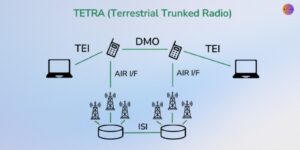
Authorities explained that the railway network was operating on the TETRA communication protocol, which is commonly used in transportation and emergency service systems worldwide. TETRA technology is considered secure when it is regularly maintained and updated properly by operators. However, cybersecurity experts said outdated configurations and weak security management can leave these systems exposed to attacks. Reports suggested that some important encryption settings in the system had not been updated for nearly nineteen years.
Further investigation showed that the student had allegedly monitored railway radio communications before programming similar settings into handheld radio devices. This allowed the fake emergency messages to appear genuine to the railway network and bypass normal security checks. Experts noted that the incident did not involve advanced malware, dangerous hacking software, or highly sophisticated cyber tools. Instead, the attack mainly exposed weaknesses caused by outdated infrastructure and poor operational security practices.

Cybersecurity professionals believe this case highlights a growing global problem involving old communication technologies used in critical infrastructure systems. Many railway networks, emergency services, and public transportation systems still rely on aging wireless communication technologies with limited modern protection. Experts warned that SDR devices have become much cheaper and easier for ordinary people to purchase online in recent years. This has increased concerns about how vulnerable poorly protected communication systems may become in the future.
After the incident, Taiwanese authorities launched detailed investigations and ordered security reviews of railway communication systems across the country. Transportation officials began checking for weaknesses that could allow similar disruptions to happen again in the future. Cybersecurity specialists recommended stronger monitoring systems, better protection against unauthorized radio devices, and regular updates of encryption keys. Experts also stressed the importance of replacing outdated infrastructure before more dangerous attacks can occur.

Although no passengers were injured during the disruption, the incident has become a major warning for governments and transportation operators worldwide. Security analysts explained that modern rail systems now depend heavily on digital communication networks for safe operations and emergency management. If these systems are not properly secured, even small weaknesses can create serious operational and public safety risks. The Taiwan railway incident clearly showed that cybersecurity has now become an essential part of transportation safety.
Stay alert, and keep your security measures updated!
Source: Follow cybersecurity88 on X and LinkedIn for the latest cybersecurity news