A cyber espionage group known as Tropic Trooper has recently started a new attack campaign, and this time their method is quite different from before. Instead of directly attacking big companies or government systems, they are now focusing on home Wi-Fi routers. This shows a major shift in how cyber attackers are operating today. The group is trying to enter networks in a more indirect and less noticeable way. This change makes the attack more dangerous and harder to detect.
Tropic Trooper is believed to be a China-linked Advanced Persistent Threat group that has been active for many years. It is also known by other names such as APT23, Pirate Panda, and Bronze Hobart. In the past, the group mainly targeted sectors like government, military, healthcare, and technology. Their earlier attacks were mostly seen in regions like Taiwan, Hong Kong, and the Philippines. Over time, they have built a strong reputation for carrying out advanced cyber espionage activities.
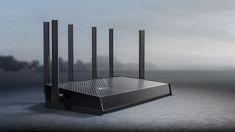
In the latest campaign, researchers have found that the group is now targeting individuals instead of only large organizations. They are gaining access through home routers, which are usually less secure than office networks. By doing this, attackers can monitor both personal and work-related activities of the target. This method is especially effective when the victim is working remotely from home. It allows hackers to quietly enter larger systems without raising suspicion.
Another major change is the expansion of their target locations in this campaign. The group is now focusing on countries like Japan, South Korea, and Taiwan. Among these, Japan has become one of the key targets in recent attacks. This shows that Tropic Trooper is not only changing its techniques but also widening its geographical reach. Their operations are becoming more global and strategically planned. This makes the threat more serious for multiple regions.
Tropic Trooper is also known for using unique and creative attack techniques. In some cases, they have set up fake Wi-Fi access points inside office environments to collect sensitive data. They also keep updating their malware and tools regularly. This makes it difficult for cybersecurity experts to track and stop their activities. Their ability to quickly adapt to new technologies gives them an advantage. As a result, their attacks are often more successful.

The group is also known for using a mix of custom tools and open-source technologies in their operations. This combination helps them stay flexible and avoid detection by traditional security systems. They do not rely on a single method but keep changing their approach. This makes their attacks more unpredictable and harder to analyze. Their strategy clearly shows a high level of planning and technical skill. It also reflects how modern cyber threats are evolving.
This shift towards targeting home networks is a serious concern in today’s digital world. With more people working from home, personal networks have become an easy entry point for attackers. Home routers often lack strong security settings, making them vulnerable. Once attackers gain access, they can move further into professional systems. This creates a hidden pathway into organizations without directly attacking them. It increases the overall risk for both individuals and companies.

In conclusion, the Tropic Trooper campaign highlights a major change in cybersecurity threats. Attackers are now focusing on indirect methods instead of direct attacks on large systems. By targeting home routers, they are exploiting the weakest link in the network chain. This makes cybersecurity more challenging and complex than before. It also shows the importance of securing personal networks. Users must stay aware and take precautions to protect themselves from such evolving threats.
Stay alert, and keep your security measures updated!
Source: Follow cybersecurity88 on X and LinkedIn for the latest cybersecurity news