UK lawmakers have raised concerns that many museums and galleries across the country are still vulnerable to cyberattacks and security breaches. A recent parliamentary report said valuable collections and sensitive information could be at risk if stronger digital protections are not put in place. The warning comes as cultural institutions continue to rely heavily on technology for daily operations. Experts believe cybersecurity must now be treated as a priority alongside physical security.

The report highlighted several major incidents that exposed weaknesses in the sector. One of the most serious examples was the cyberattack on the British Library, which disrupted digital services for months and resulted in the theft of staff and user data. Lawmakers said such incidents show how damaging cyber threats can be for organizations that manage important national assets. They warned that similar attacks could affect other institutions if action is delayed.
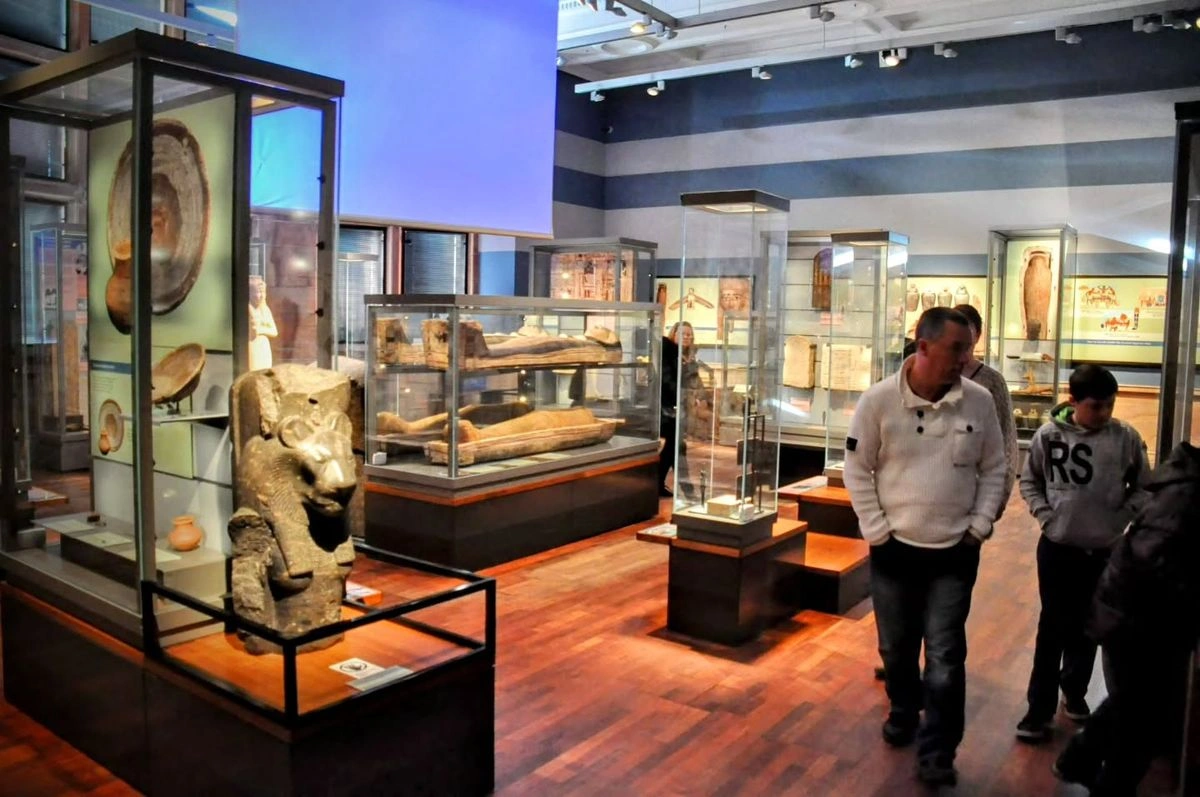
Members of Parliament said museums and galleries are not only facing digital threats but also risks related to missing or stolen artifacts. Previous security failures at major institutions raised questions about how collections are monitored and protected. According to the report, both physical and digital security need improvement. Officials stressed that cultural organizations must strengthen their ability to detect and prevent security incidents.
The Public Accounts Committee criticized the Department for Culture, Media and Sport for not taking a more strategic approach after recent security failures. While discussions were held following major incidents, MPs said there was little evidence of sector-wide reforms. They argued that government departments should provide clearer leadership and guidance. Better oversight is needed to ensure lessons are learned from past breaches.
Lawmakers also called for wider use of digital record-keeping systems across museums and galleries. Accurate digital records can help institutions track collections more effectively and reduce the risk of items disappearing unnoticed. Such systems can also support investigations when incidents occur. MPs believe modern technology can play an important role in improving accountability and security.

The report noted that museums and galleries have worked hard to improve their financial position in recent years. Income generated through their own activities has increased significantly, showing efforts to become more self-sufficient. However, visitor numbers have not fully recovered to levels seen before the pandemic. At the same time, rising operational costs continue to place pressure on many institutions.
Concerns were also raised about governance across the museum sector. A number of trustee positions remain unfilled, and appointment processes are often slow. MPs warned that strong leadership is essential as museums face increasingly complex challenges. They said boards must have the right skills and expertise to oversee security, finances, and long-term planning effectively.
The committee concluded that museums and galleries remain an important part of the UK’s cultural identity, education system, and tourism industry. However, without stronger support and clearer direction, they could remain exposed to both cyber and physical threats. Lawmakers are urging the government to explain what protective measures are being introduced across the sector. They believe stronger cybersecurity and better leadership are essential to safeguard the nation’s cultural heritage for the future.
Stay alert, and keep your security measures updated!
Source: Follow cybersecurity88 on X and LinkedIn for the latest cybersecurity news