Many businesses believe that if their payment systems pass a PCI DSS assessment, their online checkout pages are secure. However, security experts are warning that this assumption is no longer true. Modern checkout pages rely on numerous third-party scripts such as analytics tools, marketing tags, chat widgets, and tracking technologies. If one of these scripts is compromised, customer payment information could be exposed even when the company remains technically compliant.
The growing concern comes from the rise of web-skimming attacks, also known as Magecart attacks. In these incidents, attackers inject malicious JavaScript into checkout pages to secretly collect payment card information entered by customers. Because the theft happens directly inside the user’s browser before payment data reaches the processor, traditional server-side protections may fail to detect the attack.
To address this risk, PCI DSS introduced requirements 6.4.3 and 11.6.1, which became mandatory in 2025. These requirements focus specifically on payment page security. Organizations must maintain an inventory of every script running on payment pages, document why each script is needed, and continuously monitor pages for unauthorized changes that could indicate malicious activity.
Experts say the challenge is that compliance assessments provide only a snapshot of a website at a specific moment. Online stores change constantly as scripts are updated, added, removed, or modified. A checkout page that passes an audit today could become vulnerable tomorrow if a trusted third-party script is compromised or replaced with malicious code without anyone noticing.
Researchers have also highlighted several real-world examples showing why continuous monitoring matters. Some skimming campaigns have remained active for years while avoiding detection. In certain cases, malicious scripts were designed to hide themselves whenever website administrators visited the page, allowing attackers to continue stealing payment data from customers while audits and manual inspections showed nothing suspicious.

Another concern involves excessive access granted to legitimate third-party tools. Many organizations use marketing, analytics, and customer engagement scripts that can access sensitive information they do not actually need. Security researchers found that a significant number of third-party applications have access to sensitive data without a clear business justification, creating unnecessary exposure and increasing security risks.
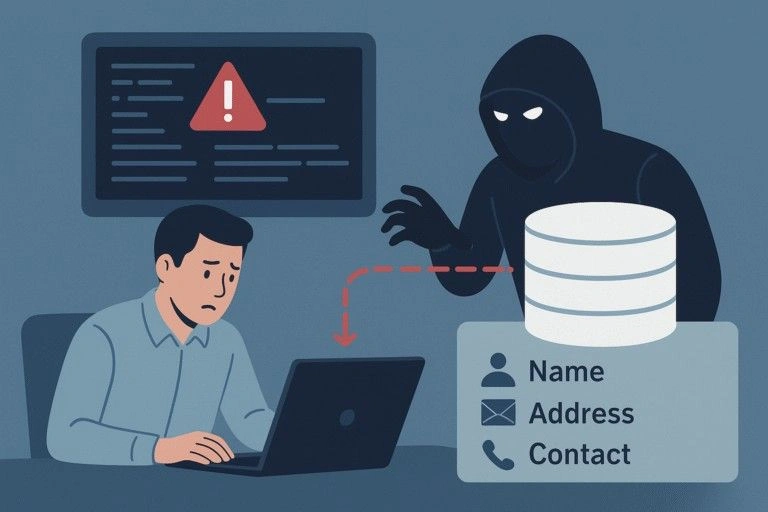
Industry professionals now argue that payment page security is no longer only a compliance issue but also a business and trust issue. Customers expect their payment information to remain protected, and a single compromise can damage a company’s reputation. Even if a business meets compliance requirements, it may still face financial and reputational consequences if attackers exploit weaknesses in browser-based scripts.
The key message for organizations is clear: securing servers alone is no longer enough. Companies must understand every script running on their checkout pages, verify that each one is authorized, monitor for unexpected changes, and regularly review access permissions. As attackers increasingly target the browser rather than backend systems, visibility into payment page activity has become an essential part of protecting customer payment data.
Stay alert, and keep your security measures updated!
Source: Follow cybersecurity88 on X and LinkedIn for the latest cybersecurity news