A new discussion in cybersecurity is focusing on AI-based coding tools and how secure they really are. The topic “Claude Code Security and Magecart: Getting the Threat Model Right” highlights an important concern. It explains that many people misunderstand what these tools are actually built for. Claude Code Security is helpful, but it is not a complete security solution.
The main idea is that traditional security thinking does not fully match modern AI tools. Claude Code Security mainly focuses on scanning code for vulnerabilities. However, many real-world cyberattacks do not depend only on code-level issues. This creates a gap between detection and actual threats.
Magecart attacks are used as a strong example to explain this gap. These attacks mainly target online payment pages on websites. Attackers inject malicious scripts to steal sensitive user data. The key point is that these scripts often appear during runtime, not in the original code.
Because of this, tools that only analyze code may fail to detect such attacks. This shows that code scanning alone is not enough for modern security needs. Attackers are now using smarter methods that work beyond visible code. This makes threats more advanced and difficult to catch.
Another major issue is the lack of runtime visibility in such tools. Claude Code Security does not monitor what happens when the application is running. Many serious attacks take place during execution rather than development. This creates a blind spot where threats can go unnoticed.

The discussion also highlights that many users overestimate AI security tools. Claude Code Security is useful, but it cannot stop every type of cyberattack. Treating it as a full security solution can lead to a false sense of safety. Experts suggest using it as just one part of a larger system.
Modern software systems are evolving quickly, bringing new types of risks. With AI agents and automation, threats like supply chain attacks are increasing. There are also risks from configuration changes and runtime behavior. These threats often do not leave clear traces in the code itself.
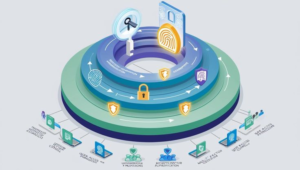
The final takeaway is that security needs a complete and layered approach. Organizations should combine code scanning with runtime monitoring and strong controls. No single tool can handle all types of threats alone. Understanding the correct threat model is important to stay protected.
Stay alert, and keep your security measures updated!
Source: Follow cybersecurity88 on X and LinkedIn for the latest cybersecurity news