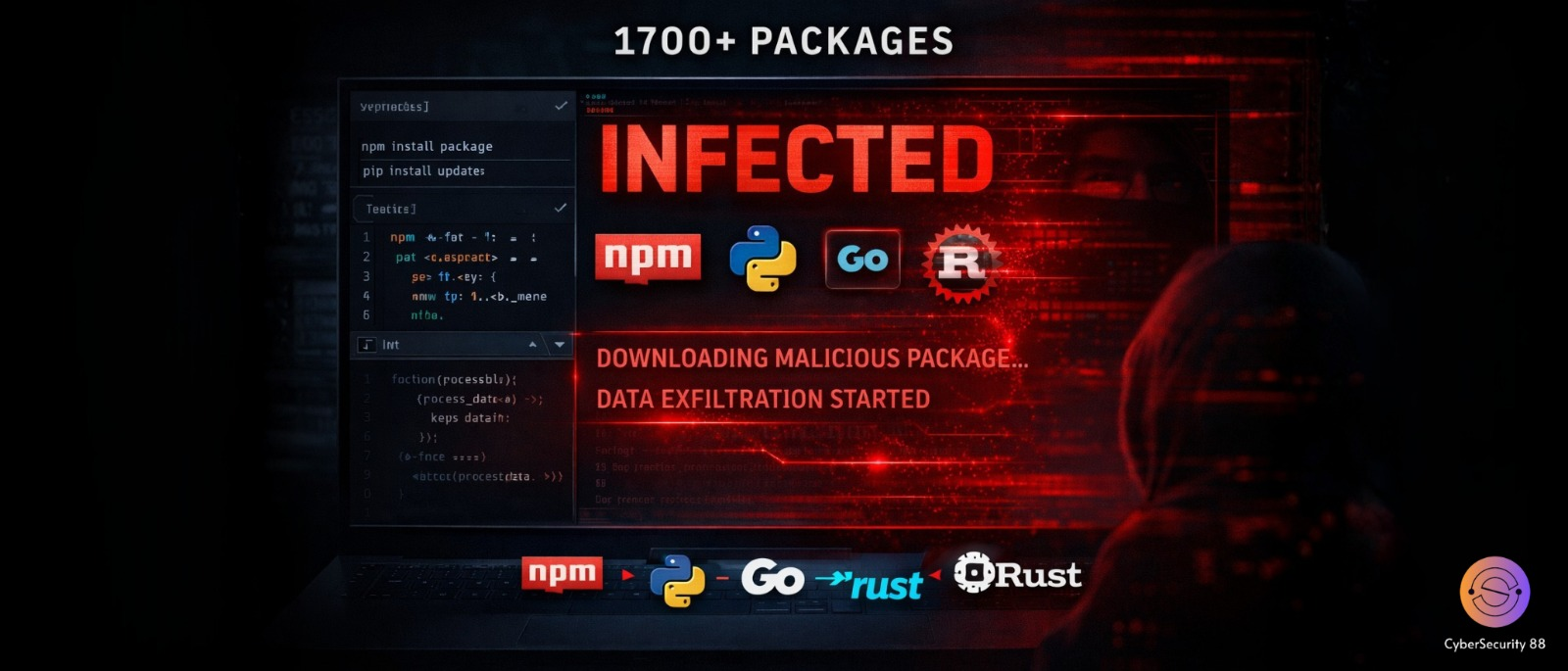
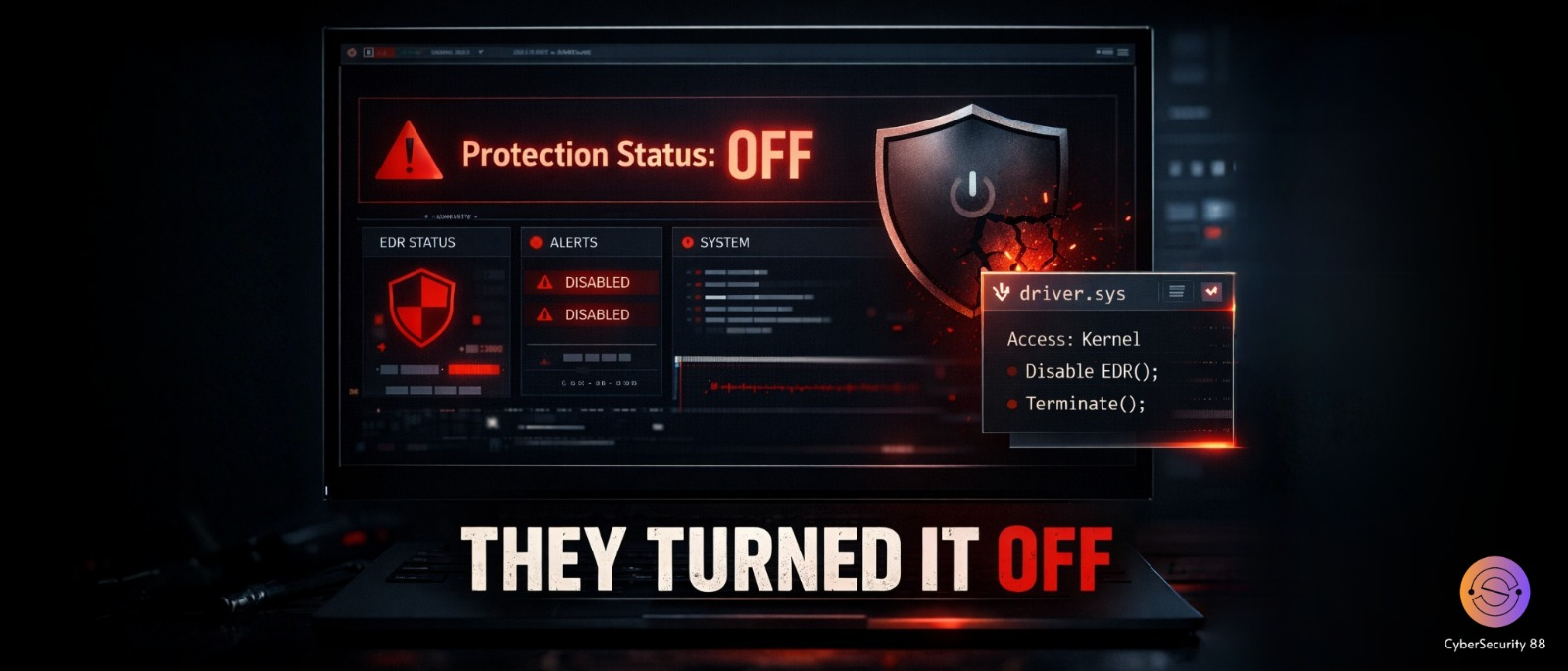
A new wave of malware known as EvilAI is worrying security researchers because it uses artificial intelligence to stay hidden and look trustworthy. Instead of being obvious viruses, these threats are disguised as normal productivity or AI apps. At first glance, they seem safe, but once installed, they quietly deliver harmful code into a system.

The attackers have released fake applications with names like App Suite, Epi Browser, JustAskJacky, Manual Finder, and Tampered Chef. These sound like harmless or even useful tools. But experts have found that behind the scenes, they revive old forms of malware such as Trojans. What makes them especially dangerous is the way AI is used to generate convincing code and make the apps appear legitimate for longer periods of time.
One of the most effective tricks in this campaign is camouflage. The malicious code is written in a way that looks clean to security software. In some cases, the apps even carry digital signatures to appear authentic. On top of that, they behave like real software when first installed, giving users no reason to suspect anything is wrong. This dual approach of clean-looking code and realistic behavior allows the malware to escape detection.

Researchers monitoring this activity have already seen infections across the globe. Within just one week of tracking, multiple regions including Europe, the Americas, Asia, and the Middle East and Africa reported cases. Industries such as manufacturing, government, and healthcare have already been targeted, showing that no sector is safe from this new strategy.
The scale and speed of EvilAI is a reminder of how cybercrime is evolving. Traditional defenses like signature-based antivirus tools struggle against this new type of malware because it constantly changes itself and blends in with real applications. By using AI to generate new variants and adjust its techniques, the malware can move faster than many security teams can respond.

Experts advise that people and organizations should be cautious when installing new applications, especially productivity or AI tools that are not widely known. It is important to use security systems that do not only rely on signatures but can monitor the actual behavior of software. Regular updates and patches are also crucial, as attackers often exploit old vulnerabilities.
Human awareness is another critical defense. Since many of these attacks begin with phishing messages or fake websites, training users to spot suspicious emails, unusual links, or strange software prompts can block the attack before it starts. At the same time, organizations are encouraged to use layered defenses that combine endpoint protection, network monitoring, and identity security to catch threats at multiple stages.

The rise of EvilAI shows how artificial intelligence is not only helping defenders but also empowering attackers. By hiding inside fake apps, using AI-generated code, and behaving like normal programs, this malware is setting a new standard for stealth. The threat is global, fast-moving, and designed to evade older defenses. The message is clear: security must evolve quickly if it is to keep up with the age of AI-powered cybercrime.
Stay alert, and keep your security measures updated!