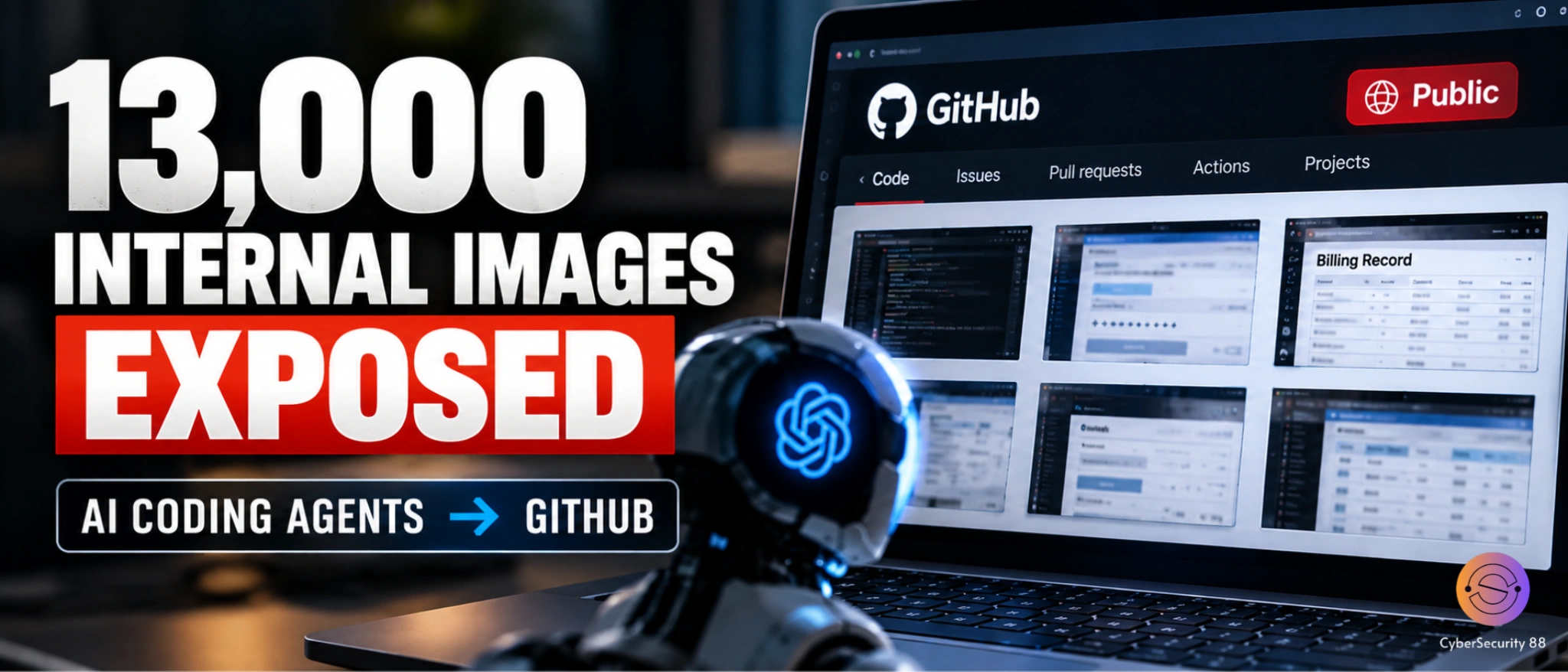
OpenAI recently faced a cybersecurity issue connected to a supply chain attack involving a popular developer tool called Axios. The company decided to revoke its macOS app certificate as a precautionary step. This action was taken even though no direct harm was found. OpenAI clearly stated that no user data was compromised. The move was mainly done to ensure complete safety and prevent any possible misuse.

The issue began on March 31, 2026, when a compromised version of Axios entered OpenAI’s system. This happened through an automated GitHub Actions workflow. Axios was being used in the process of signing macOS applications. Unfortunately, the system downloaded a malicious version without detection. This created a potential security risk within the app signing pipeline.
This workflow had access to important code-signing certificates. These certificates are used to verify that apps are officially released by OpenAI. If attackers had accessed them, they could have created fake apps. These fake apps could look completely legitimate to users. This is why the situation was treated very seriously by the company.

After a detailed investigation, OpenAI confirmed that the certificate was likely not stolen or misused. There was no evidence of any kind of data breach. User information, internal systems, and company data remained safe. There was also no sign of software tampering. Despite this, the company still responded quickly to avoid any future risk.
To handle the situation, OpenAI revoked the old macOS certificate and replaced it with a new one. This process is known as certificate rotation. The company also worked with Apple to block the use of the old certificate. Updated versions of macOS apps were released for users. These updates ensure that everything remains secure moving forward.

OpenAI also made improvements to its internal development workflow. It added stricter controls on external dependencies used in the system. The company conducted a full security review with external experts. This was done to double-check that no hidden threats remained. These steps help in preventing similar incidents in the future.
For users, the impact of this issue is limited only to macOS devices. Users are advised to update their OpenAI apps to the latest versions. Older versions will stop working after May 8, 2026. Other platforms like Windows, Android, iOS, and web are not affected. OpenAI also warned users to avoid downloading apps from unofficial sources.
The root cause of this issue was a supply chain vulnerability in the software process. The system was using a floating version of Axios instead of a fixed one. This allowed the malicious update to enter the pipeline. This incident highlights how modern cyberattacks are evolving. It shows the importance of strong security practices in software development.
Stay alert, and keep your security measures updated!
Source: Follow cybersecurity88 on X and LinkedIn for the latest cybersecurity news