Google has introduced a new Android security feature called “Intrusion Logging” to help detect advanced spyware attacks on smartphones. The feature is part of Android’s Advanced Protection system and is mainly designed for users who face higher risks of digital surveillance. This includes journalists, activists, researchers, politicians, and human rights workers. The goal of the feature is to improve investigations into highly sophisticated cyberattacks.

Spyware attacks have become much more dangerous in recent years because modern spyware can secretly infect a device and erase traces of its activity. This makes it very difficult for cybersecurity experts to find proper evidence after an attack takes place. Google’s new feature tries to solve this issue by securely storing important forensic logs directly on the device. These logs can later help experts investigate suspicious activity more effectively.
According to researchers, the Intrusion Logging system records security-related events happening on the smartphone. This may include suspicious system behavior, device access activity, possible intrusion attempts, and some network-related events. The collected information is meant to help investigators understand whether a device was targeted by spyware. Experts believe this additional visibility can make spyware investigations easier than before.

One of the biggest highlights of the feature is its strong security protection. Google said the logs are stored using end-to-end encryption and can remain available for up to 12 months. This means attackers should not be able to easily delete or modify the stored records after infecting a device. Google also stated that the company itself cannot freely access the encrypted forensic logs.
Cybersecurity experts and digital rights organizations have called the feature a major step forward for smartphone security. Amnesty International’s Security Lab reportedly worked with Google during the development process of the feature. Researchers explained that many spyware attacks previously left almost no evidence behind for investigators to study. With this new logging system, experts may now get better forensic evidence from compromised devices.

At the same time, security researchers have also warned that the logs may contain sensitive information because the system works at the operating-system level. Reports suggest the feature may record certain network activity even while using Chrome Incognito mode. Although the logs do not reveal exact webpage contents, they could still show which websites or services were accessed. Because of this, experts recommend sharing the logs only with trusted cybersecurity professionals.
Google said users who suspect spyware activity on their device can manually download and decrypt the logs from Android settings. These records can then be analyzed by forensic experts to look for signs of surveillance malware or unauthorized access. The company explained that the feature is mainly designed to support professional investigations into advanced cyber threats. It is not meant to replace normal antivirus or mobile security protections.
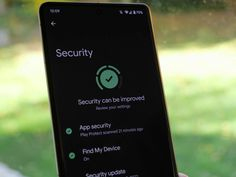
To enable the feature, users must first turn on Android Advanced Protection Mode on supported devices. The option is available under Settings, then Security & Privacy, followed by Advanced Protection and Intrusion Logging. The feature is currently rolling out mainly to devices running newer Android 16 versions, especially Google Pixel phones. Security organizations believe this system could make it much harder for spyware operators to secretly hide their attacks in the future.
Stay alert, and keep your security measures updated!
Source: Follow cybersecurity88 on X and LinkedIn for the latest cybersecurity news