Microsoft recently released emergency updates to fix serious issues affecting Windows Server systems after its April 2026 security updates. These updates were released outside the normal schedule after multiple users and system administrators reported unexpected problems. The issue mainly impacted organizations that depend on Windows Server for handling networks and authentication. It quickly became a concern because servers are critical for daily operations. Microsoft responded fast to control the situation and reduce further disruption.

The problem started after installing a specific update called KB5082063. Once installed, several systems began showing unusual behavior. In many cases, the update failed to install properly, especially on Windows Server 2025 systems. This incomplete installation created instability and raised concerns among administrators. Systems that are not properly updated can become unreliable or even vulnerable. This made it important for Microsoft to identify and fix the issue quickly.
Another major issue that appeared was related to server restarts. Many servers, especially those acting as domain controllers, started getting stuck in continuous reboot loops. This means the system kept restarting again and again without fully loading. Such problems are critical because domain controllers manage logins and permissions in a network. When they fail, users cannot access systems properly. This created serious disruptions in enterprise environments.
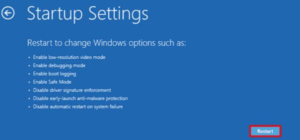
The root cause of this issue was linked to LSASS, which stands for Local Security Authority Subsystem Service. This is a core Windows process responsible for managing security policies and authentication. After the update, LSASS started crashing during system startup. When this process fails, the system cannot function normally. This led directly to the repeated restart problem seen in many servers. It highlighted how sensitive core processes are to updates.
There was also a timing-related issue involved in this situation. In some cases, servers attempted to process authentication requests too early during startup. This mismatch in timing caused additional instability in the system. As a result, LSASS would crash more frequently under these conditions. This issue became more noticeable in environments where multiple systems are interconnected. It added another layer of complexity to the overall problem.

To fix these issues, Microsoft released out-of-band updates, also known as emergency patches. These updates are not part of the regular monthly update cycle and are released only when needed. The fixes were provided for multiple Windows Server versions, including 2025, 23H2, 2022, 2019, and 2016. Azure-based versions were also included in the update rollout. The goal was to restore stability across all affected systems as quickly as possible.
According to Microsoft, the update for Windows Server 2025 resolves both installation failures and restart loop issues. For other versions, the main focus of the fix is to stop the reboot loops caused by LSASS crashes. This ensures that affected systems can start normally and remain stable. Administrators are advised to install the latest updates as soon as possible. Doing so helps prevent further issues and ensures smooth operation of servers.

Apart from these major problems, Microsoft also mentioned another possible issue. Some systems may enter BitLocker recovery mode after installing the update. In such cases, users are required to enter a recovery key to access their system. While this does not affect all users, it is something administrators should be aware of. Overall, the issue began after the April Patch Tuesday updates, and Microsoft acted quickly to release fixes and restore normal operations.
Stay alert, and keep your security measures updated!
Source: Follow cybersecurity88 on X and LinkedIn for the latest cybersecurity news